

Loading...
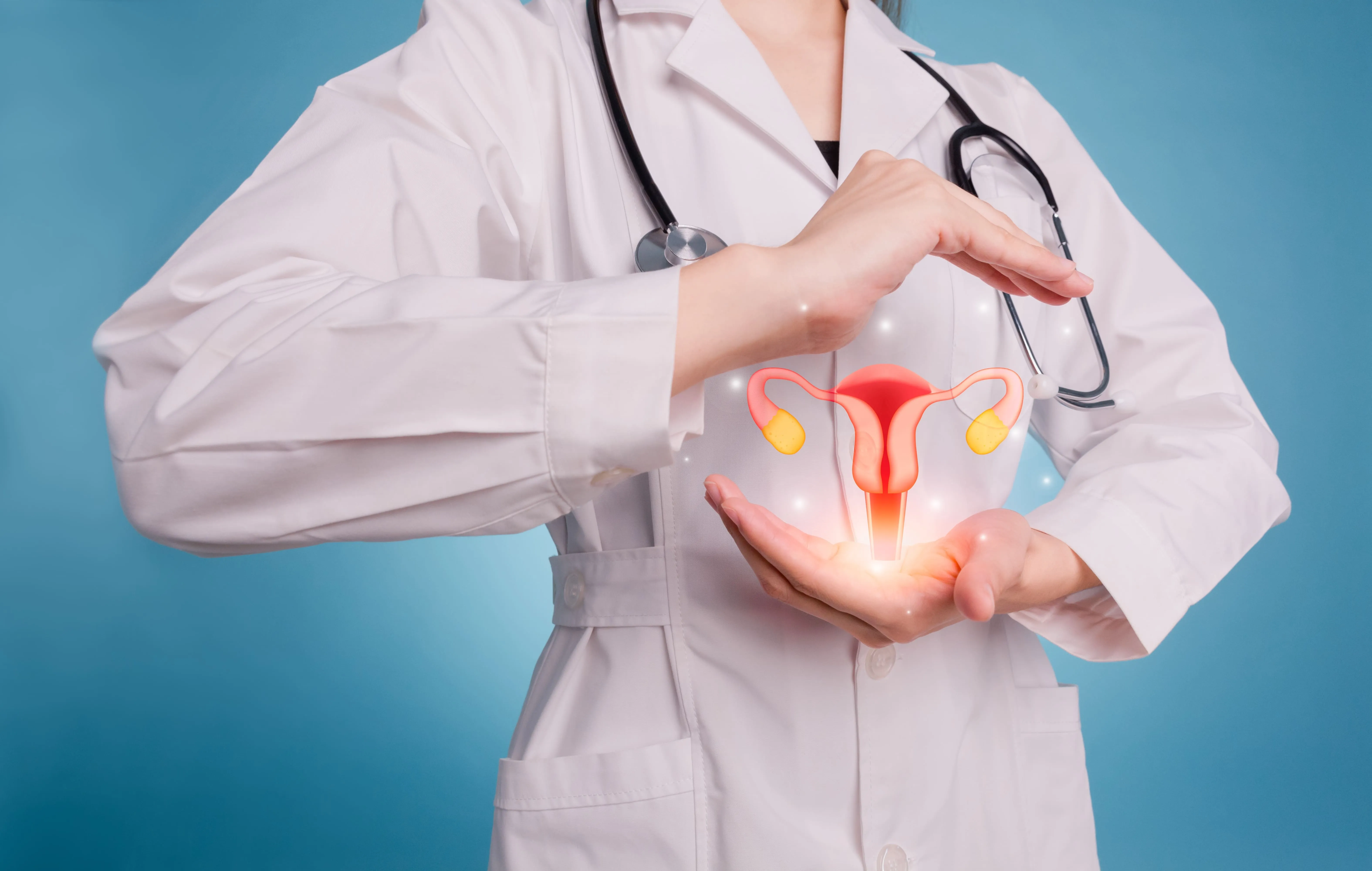
Polycystic Ovary Syndrome (PCOS) is a common hormonal issue affecting millions of women worldwide, leading to irregular periods, weight changes, skin problems, and fertility challenges. While medical options exist, many are exploring the gentle and holistic approach of naturopathy to manage their PCOS symptoms and improve overall well-being. This guide will walk you through the natural ways naturopathy can help you find relief and balance.
PCOS involves a hormonal imbalance where the ovaries produce more male hormones (androgens) than usual. This can disrupt the normal release of eggs, leading to the formation of small cysts on the ovaries (though not all women with PCOS have cysts). Key symptoms can include irregular or missed periods, difficulty getting pregnant, excess hair growth on the face and body (hirsutism), acne, oily skin, hair thinning on the scalp, weight gain (especially around the abdomen), and dark patches of skin (acanthosis nigricans).
Naturopathy focuses on helping the body heal itself by addressing the root causes of health issues. It takes a whole-person approach, considering your diet, lifestyle, stress levels, and individual needs. For PCOS, naturopathy aims to:
Naturopathic doctors use a variety of natural tools to create personalized treatment plans for PCOS:
1 - Dietary Changes: This is often the cornerstone of naturopathic PCOS management. Focus is typically on:
2 - Prevent Toxins: Minimise your exposure to chemicals that alter hormones, such as those found in plastics, insecticides, and personal hygiene products.
3 - Regular Exercise: Physical activity is crucial for weight management, improving insulin sensitivity, and boosting overall well-being. Both cardiovascular exercise (like walking or cycling) and strength training can be beneficial. Even gentler forms like yoga and Pilates can help manage stress and balance hormones.
4 - Stress Management: Techniques like meditation, deep breathing exercises, mindfulness, spending time in nature, and ensuring adequate sleep are vital for managing stress hormones that can impact PCOS.
5 - Herbal Remedies: Certain herbs have shown promise in managing PCOS symptoms:
6 - Naturopathy Diet Treatment: A balanced and healthy diet is essential for PCOS management. Pay attention to entire foods that are high in nutrients and low in harmful fats and processed sugars. Some dietary recommendation are -
The foundation of the patient’s diet is a plant based diet.
Vegetables, fruits, beans & legumes, nuts & seed are provided to the body with essential nutrients and fibre.
In diet treatment certain foods are advised to be avoided like refined sugar, refined grains and alcohol, etc.
7 - Naturopathy modalities are helpful in treating the PCOS, as per the advice and under supervision of a naturopathy doctor.
Hydrotherapy like cold hip bath, cold sitz bath, cold abdominal pack, Mud therapy and therapeutic yoga module as per patients conditions are useful in PCOS treatment.
Research is increasingly supporting the role of natural therapies in managing PCOS. Studies have shown that cinnamon can improve insulin sensitivity, spearmint tea can lower testosterone, and inositol can positively impact ovulation and insulin resistance. Acupuncture has also shown promise in regulating hormones and menstrual cycles.
Naturopathic treatment for PCOS is highly individualized. A qualified naturopathic doctor will take the time to understand your unique symptoms, health history, and lifestyle to create a tailored plan that addresses your specific needs. This holistic approach aims for long-term wellness and sustainable management of your PCOS.
If you're seeking a natural and comprehensive way to manage your PCOS symptoms, exploring naturopathic treatment could be a valuable step. By focusing on diet, lifestyle, and gentle therapies, you can work towards hormonal balance, improved well-being, and a healthier future. Consider consulting with a naturopathic doctor to begin your personalized journey towards natural relief from PCOS.
Note: Naturopathic PCOS treatment should be as per the signs and symptoms of the disease and condition of the patient, according to the naturopathic doctor’s prescription.
Also read our latest blog - Constipation Treatment in India: Symptoms, Causes, and Cures
The root cause of PCOS is hormonal imbalance, often linked with insulin resistance, inflammation, poor lifestyle habits, and stress. These factors disrupt ovulation and hormone regulation, leading to irregular cycles and cyst formation.
A sedentary lifestyle, processed food consumption, stress, lack of sleep, and exposure to hormone-disrupting chemicals can all contribute to PCOS development or worsening symptoms.
You may have PCOS if you experience irregular periods, acne, excessive hair growth, weight gain (especially around the belly), or hair thinning. A medical diagnosis involves hormone testing and an ultrasound.
If untreated, PCOS can lead to infertility, type 2 diabetes, obesity, and high cholesterol. Early natural management helps to prevent the complications.
PCOD (Polycystic Ovarian Disease) is when the ovaries release immature eggs that form cysts, while PCOS (Polycystic Ovary Syndrome) is a severe hormonal disorder affecting metabolism and fertility.
The four pillars are a balanced diet, regular exercise, stress management, and hormonal balance through natural therapies.
Spearmint tea, cinnamon water, and warm lemon water help to balance hormones, improve insulin function, and support detoxification.
Asanas: Supta Baddha Konasana, Bhujangasana, and Dhanurasana
Pranayama: Bhramari, Anulom Vilom, and Kapalabhati balance the hormones and calm nervous system.
Yoni Mudra is beneficial as it represents feminine energy and helps restore hormonal balance when practiced with deep breathing.
Emotionally, PCOS is often linked to chronic stress, self-criticism, or suppressed emotions, which can disturb hormonal balance. Mindfulness and relaxation practices are useful for healing.
Naturopathy, yoga, pranayam, meditation, hydrotherapy, and herbal remedies are effective drugless treatments that regulate hormones, support ovulation, and improve overall well-being.
Disclaimer: This blog is intended for information purposes only and not a substitute for professional naturopathic doctor advise. Content of the blog including advise, practices and suggestions provides generic information only. It should not be treated as a prescription for any ailment. Always consult a qualified naturopathic doctor for more information.