

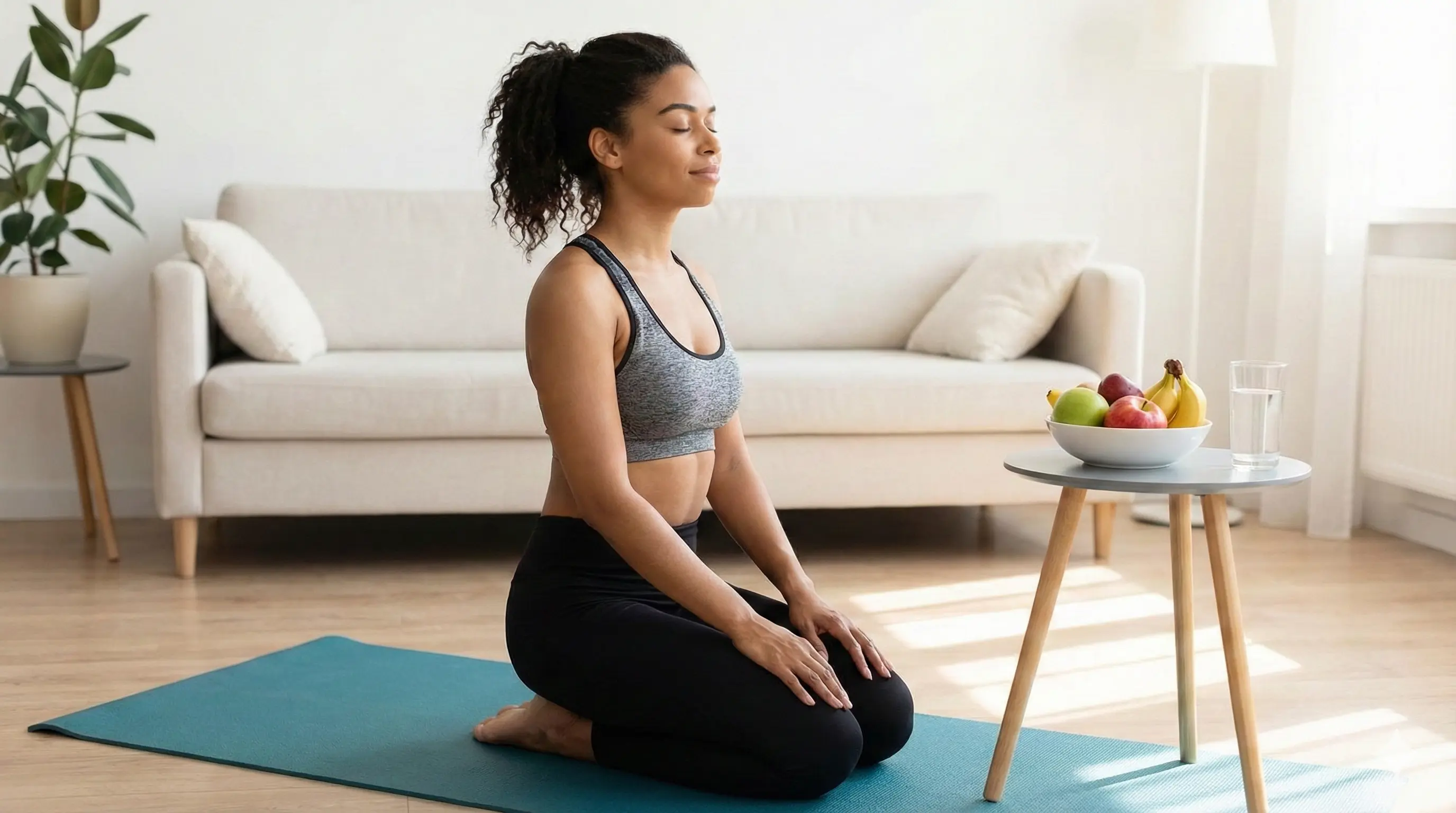
Digestive issues like bloating, gas, acidity, and sluggish metabolism are extremely common today. Poor eating habits, stress, irregular routines, and lack of physical activity can slow down the digestive fire (Agni), leading to discomfort and abdominal heaviness. Yoga offers simple yet powerful postures to improve digestion naturally. Among them, Vajrasana and Pawanmuktasana stand out as two of the most effective poses to relieve bloating, stimulate the digestive organs, and enhance gut function.
1. Vajrasana (Thunderbolt Pose): Vajrasana is the only yoga posture that can be done immediately after meals, making it highly beneficial for digestion.
· Promotes healthy digestion by increasing blood flow to stomach & intestines
· Reduces bloating, acidity & indigestion
· Strengthens pelvic floor muscles
· Relaxes the nervous system and reduces stress-induced gut issues
· Improves posture → prevents abdominal compression
Technique:- Sit on your heels with knees together.
· Keep spine straight and shoulders relaxed.
· Place palms on thighs.
· Breathe slowly and hold for 5–10 minutes.
· After meals, even 3–5 minutes is helpful.
Best Time to Practice
Immediately after meals, Morning and evening for 5–10 minutes
2. Pawanmuktasana (Wind-Relieving Pose): Pawanmuktasana is one of the best yoga poses for releasing trapped gas, improving bowel movement, and reducing inflammation in the digestive tract.
· Releases trapped gas and reduces bloating
· Massages abdominal organs — stomach, intestines, liver
· Stimulates peristalsis → helps relieve constipation
· Strengthens core muscles
· Improves overall gut motility
Technique:-
1. Lie on your back with legs extended.
2. Bend knees and bring them toward the chest.
3. Hug knees with both hands.
4. Lift head and try to touch the nose to knees.
5. Hold for 15–30 seconds and repeat 2–3 times.
Best Time to Practice
· Morning on an empty stomach
· Before bedtime for relieving gas and discomfort
Pawanmuktasana → on empty stomach
Vajrasana and Pawanmuktasana are simple yet powerful yoga poses that support digestion, reduce bloating, and promote a healthy gut. Just a few minutes of daily practice can help you feel lighter, more comfortable, and energized from within.
FAQ s
Q.1 Does Vajrasana help with bloating?
Vajrasana (Thunderbolt Pose) is effective for reducing bloating. It improves blood circulation to the digestive organs, stimulates digestion, and helps release trapped gas when practiced after meals.
Q.2 Can Pavanamuktasana relieve gas?
Pavanamuktasana (Wind-Relieving Pose) is specifically designed to release trapped gas from the intestines and stomach, providing quick relief from gas and discomfort.
Q.3 Is Pavanamuktasana good for digestion?
It massages the abdominal organs, stimulates peristalsis (intestinal movement), improves digestion, and helps with issues like constipation and indigestion.
Q.4 What is the best exercise to reduce bloating?
Gentle yoga poses that compress or twist the abdomen are most effective. Pavanamuktasana and spinal twists provide quick relief by encouraging gas movement.
Q.5 Which yoga is best for bloating and gas?
Pavanamuktasana is often considered commonly pose for immediate gas relief. Other useful options include Child's Pose (Balasana), Happy Baby Pose, and spinal twists.
Q.6 How long to sit in Vajrasana for digestion?
Sit for 5–15 minutes after meals. Start with 5 minutes if you're new to it, as this aids digestion without strain.
Q.7 What is the fastest way to deflate a bloated stomach?
Pavanamuktasana (Wind-Relieving Pose) or a gentle abdominal massage/twist sequence offers the quickest relief by directly compressing the abdomen to expel gas.
Q.8 Which yoga pose is best for digestion?
Vajrasana is commonly recommended right after meals for optimal digestion. For overall digestive health, combine it with Pavanamuktasana.
Q.9 Does Vajrasana release gas?
It helps prevent gas buildup and releases trapped gas by enhancing abdominal circulation and stimulating digestive organs.
Q.10 What are the disadvantages of Vajrasana?
It can strain the knees, ankles, or lower back if held too long. Potential issues include numbness in legs or aggravation of existing joint problems.
Q.11 Who should avoid Pavanamuktasana?
Avoid if you have recent abdominal surgery, hernia, high blood pressure, cardiac issues, neck/back injuries, sciatica, or are in pregnancy/menstruation.
Q.12 Who should avoid doing Vajrasana?
Avoid if you have knee/ankle injuries, recent knee surgery, slipped disc, sciatica, hernia, intestinal ulcers, or severe arthritis in lower body. Pregnant women should widen knees
Disclaimer: This blog is intended for information purposes only and not a substitute for professional naturopathic doctor advise. Content of the blog including advise, practices and suggestions provides generic information only. It should not be treated as a prescription for any ailment. Always consult a qualified naturopathic doctor for more information.