

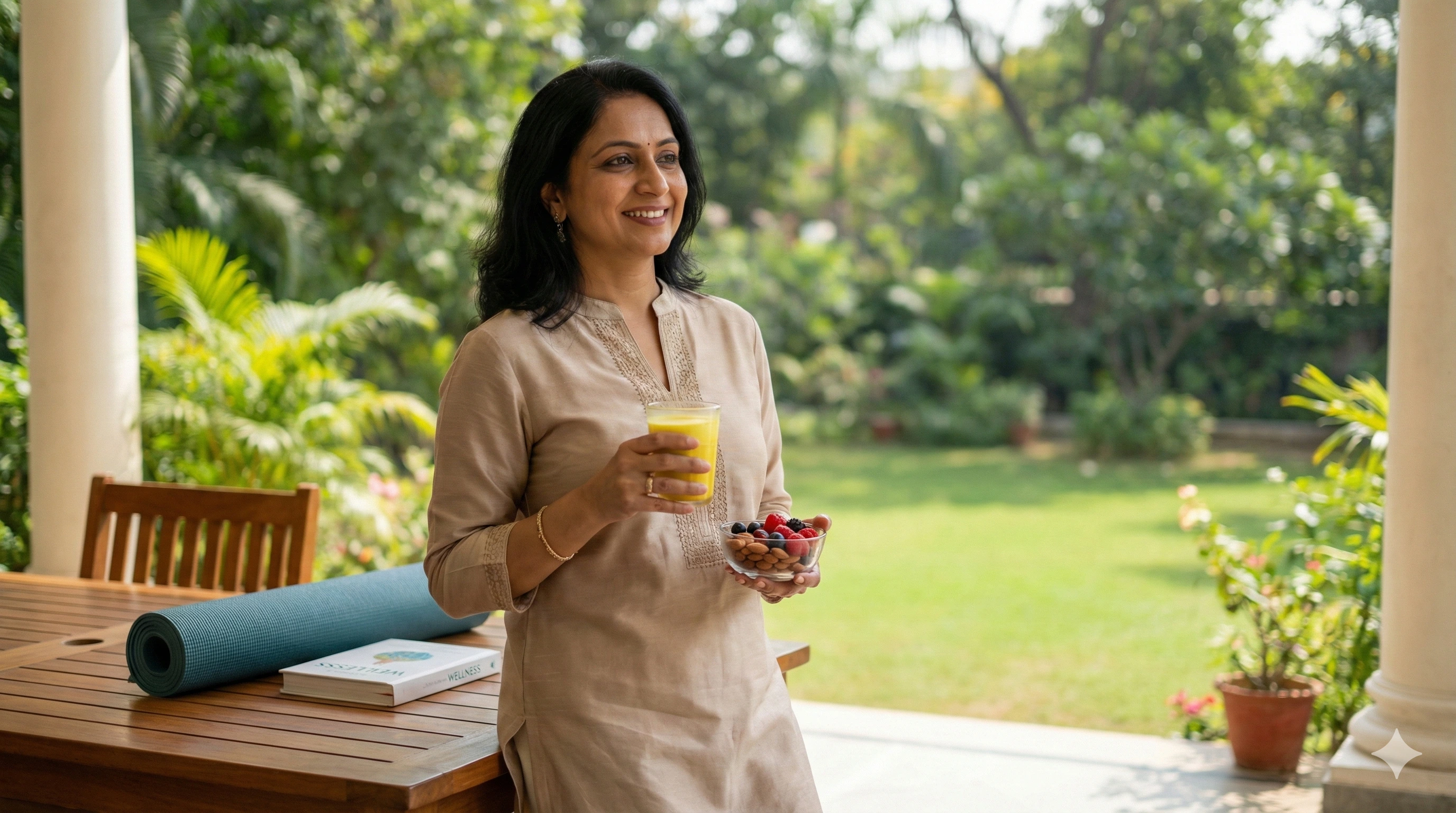
The world filled with stress, pollution, and fast-paced living, our immune systems are constantly being challenged. But our body has an incredible capacity to protect and heal itself when it’s supported the right way. Resilience isn’t just about bouncing back from illness. It’s about preventing it in the first place. By strengthening your immune system naturally, you give your body the best defense against infections, inflammation, and chronic disease. Simple, effective, and natural ways to build a stronger, more resilient body from the inside out.
Why Natural Immunity Matters
Your immune system is a complex network of organs, cells, and proteins that defends you from harmful invaders. Everyday lifestyle choices are your first and most powerful line of defense.
By embracing preventive habits, you build a foundation of health that reduces your chances of getting sick and helps you recover faster if you do.
1. Prioritize Restorative Sleep
Sleep is when your body repairs and regenerates especially your immune cells.
· Aim for 7–8hours of quality sleep per night.
· Create a calming bedtime routine: turn off screens, dim lights.
· Try natural sleep aids like magnesium, chamomile, or lavender essential oil.
2. Fuel Your Body with Immune-Boosting Foods
What you eat has a direct impact on how well your immune system functions.
Key Nutrients:
· Vitamin C (citrus, bell peppers, kiwi)
· Zinc (pumpkin seeds, lentils, chickpeas)
· Vitamin D (sunlight, mushrooms, fortified foods)
· Antioxidants (berries, leafy greens, green tea)
3. Move Daily to Keep Your Systems Flowing
Moderate physical activity supports circulation, reduces inflammation, and boosts immune cell activity.
· Go for a brisk walk, stretch, or do yoga daily.
· Avoid overtraining, which can suppress immunity.
· Spend time outside in natural sun light it's good for your mood and your vitamin D levels.
4. Manage Stress with Mind-Body Practices
Chronic stress weakens the immune system over time.
Combat it with daily habits that calm the nervous system:
· Breathe work: Even 5 minutes a day can shift your body into a healing state.
· Meditation or prayer: Center yourself and reduce mental noise.
· Gratitude journaling: Focus on what’s going well to shift out of fear and anxiety.
5. Stay Well Hydrated
Water helps flush out toxins, supports lymph flow, and keeps mucous membranes moist and protective.
· Aim for 8–10 glasses of water daily.
· Add lemon, cucumber, or mint for an extra immune-friendly boost.
· Drink herbal teas, to support immunity naturally.
6. Practice Clean Living Inside and Out
· Wash hands regularly but avoid overusing harsh chemical sanitizers.
· Use non-toxic household and skincare products to reduce your toxic load.
· Avoid smoking, tobacco and alcohol, both of which suppress immunity.
8. Nurture Connection and Joy
Loneliness and isolation can weaken immunity, while joy and social bonding strengthen it.
· Spend time with loved ones, even virtually if needed.
· Laugh, play, and engage in hobbies that light you up.
· Stay connected to your sense of purpose it boosts emotional and physical resilience.
Conclusion: Prevention Is the Best Medicine
You don’t need to wait until you’re sick to start caring for your health.
Every day is an opportunity to nourish your body, calm your mind, and protect your future self.
Small, consistent actions are your superpower.
Sleep deeply. Eat mindfully. Breathe fully.
Frequently Asked Questions
1. What are signs of a weak immune system?
A weak immune system manifests as a lack of resilience, making you vulnerable to invaders. Key signs include frequent or persistent infections, chronic fatigue not relieved by rest, and slow wound healing. Persistent digestive issues and high stress levels are also crucial indicators of low immune function.
2. Does age affect natural immunity?
Yes, immune function naturally declines with age, a process called immunosenescence, leading to slower responses and increased inflammation. However, this is not fixed; consistent lifestyle strategies like sleep, nutrition, and stress management can significantly mitigate this decline and maintain a strong immune reserve.
3. What is the most powerful natural immune booster?
The most powerful "booster" is not a pill but consistency in foundational health habits that support the body's innate healing power. The single area with maximum impact is the Gut Microbiome, where 70–80% of immune tissue is housed. Consistently feeding your gut prebiotic fibres and probiotic foods builds a regulating and protective ecosystem.
4. How does Naturopathy view the role of symptoms in immunity?
Naturopathy views symptoms (like a fever, cough, or fatigue) as the body's intelligent, self-healing response a manifestation of the Vis Medicatrix Naturae (the Healing Power of Nature). A fever, for example, is the immune system actively creating a hostile environment for invaders. Our goal is not to immediately suppress these symptoms, but to support the body's natural effort through rest, hydration, and nutrition so that the process can complete quickly and efficiently.
5. What is the "Healing Power of Nature" and how does it relate to resilience?
The Healing Power of Nature (Vis Medicatrix Naturae) is the foundational principle of Naturopathic system of Medicine. It refers to the body’s inherent, powerful capacity to establish, maintain, and restore health. Your resilience is a direct measure of this power. The simple steps outlined in the blog sleep, movement, and proper die are essential actions that remove obstacles to cure and provide the necessary conditions for your body's innate healing intelligence to work optimally.
6. The blog emphasizes whole foods. What is the naturopathic view on refined sugar and immunity?
Refined sugar is considered a major obstacle to cure in Naturopathic system of Medicine. High sugar intake can temporarily suppress the function of neutrophils, which are a critical type of white blood cell responsible for engulfing pathogens. By reducing refined sugar, you remove a key metabolic obstacle, allowing your immune cells to function at their maximum protective capacity.
7. Is it better to take a single high-dose vitamin or focus on food variety for immune support?
The naturopathic approach always favours food-first nutrition and a focus on nutrient synergy. While specific supplements (like Vitamin D or Zinc) may be necessary to correct known deficiencies, high-dose single vitamins don't offer the synergistic benefits of whole foods. The thousands of antioxidants and cofactors found in a varied diet of colourful fruits and vegetables work together to create a broader, more balanced protective effect than any single pill.
8. How does the quality of our sleep directly impact T-cell activity?
Research confirms that restorative sleep is non-negotiable for immune function. During sleep, your body optimizes the performance of T-cells, which are the specialized soldiers of your immune system responsible for targeting and destroying infected cells.
9. If moderate exercise is good, why is "overtraining" badly for natural immunity?
The key is balance. Moderate exercise, like a brisk walk or yoga, enhances circulation and immune cell activity. Conversely, intense, prolonged overtraining creates a temporary state of immune suppression known as the "open window" theory. When the body is pushed past its recovery limits, cortisol (the stress hormone) remains high, diverting energy away from immune function.
10. What is the importance of water for the lymph system, and how does that help immunity?
The lymphatic system is essentially the body's internal drainage and immune transport network, collecting waste, fluid, and housing immune cells. Unlike the circulatory system, it has no central pump. Hydration is crucial because it ensures the lymph fluid remains thin and free-flowing. When you are well-hydrated, your lymph can effectively flush out cellular waste and transport immune cells to sites of infection, keeping your defence system active and mobile.
Disclaimer: This blog is intended for information purposes only and not a substitute for professional naturopathic doctor advise. Content of the blog including advise, practices and suggestions provides generic information only. It should not be treated as a prescription for any ailment. Always consult a qualified naturopathic doctor for more information.