

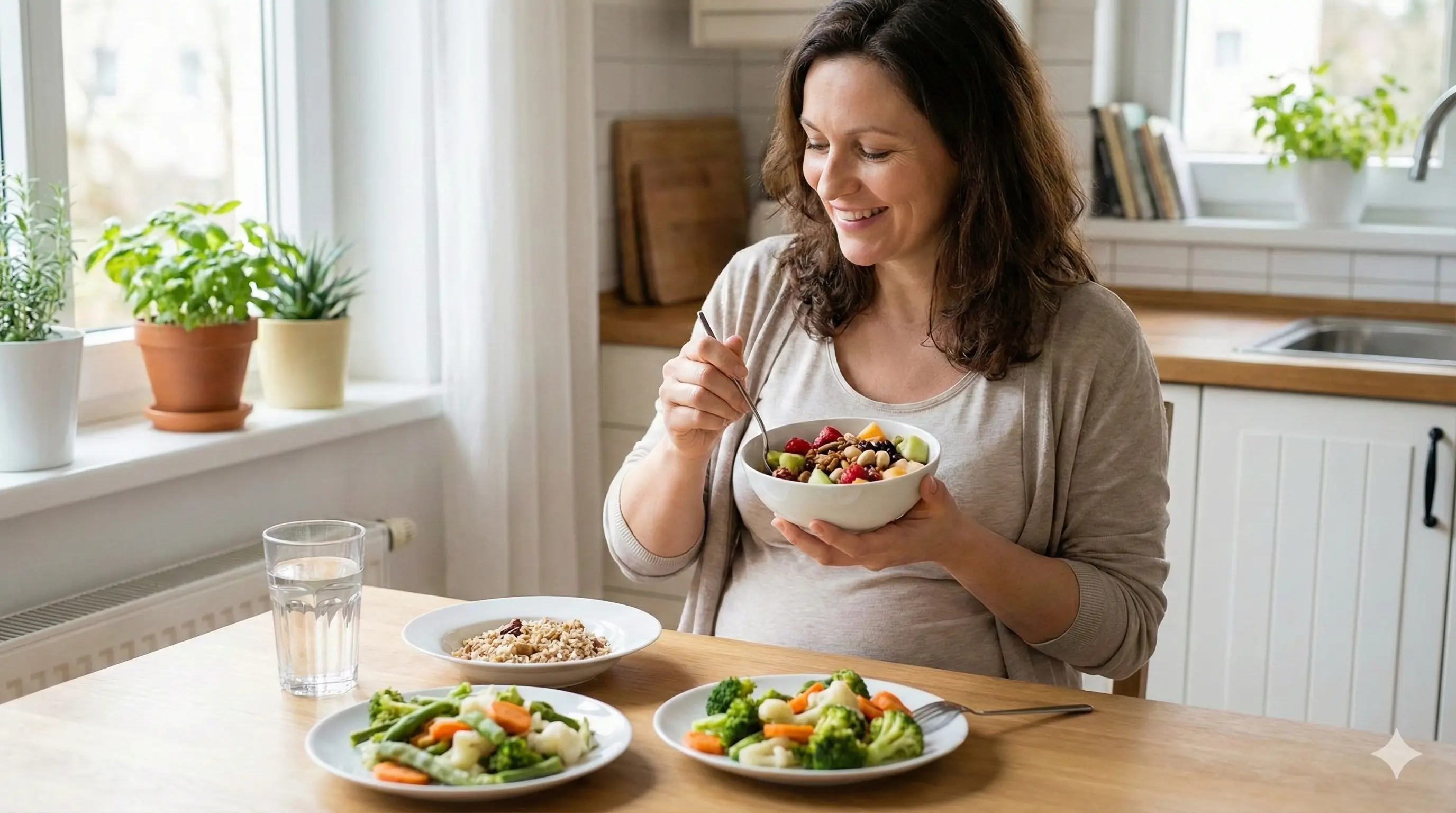
What Is a Sattvic Diet?
A Yogic Nutrition System for the Mind & Body. A Sattvic Diet is a pure, natural, plant-based way of eating that promotes mental calmness, emotional balance, and healthy weight loss. In yogic philosophy, Sattva represents purity, harmony, and lightness qualities that this diet brings into daily life.
A Sattvic diet is ideal for: Stress relief, Mental clarity & focus, Weight loss, Improved digestion, Better sleep, Emotional stability.
Benefits of a Sattvic Diet
· 'Mental Clarity & Calmness: Reduces anxiety, overstimulation, and brain fog.
· Supports Natural Weight Loss: High-fiber, low-calorie foods burn fat without starvation.
· Better Digestion: Improves gut health, reduces acidity & bloating.
· Higher Energy Levels: Light, fresh foods increase prana (life-force energy).
· Hormonal Balance & Better Sleep: Helps regulate circadian rhythm and mood.
Sattvic Foods for Clarity & Weight Loss
· Fresh Fruits: Apple, papaya, berries, pomegranate, coconut, grapes, figs.
· Vegetables: Cucumber, carrot, pumpkin, bottle gourd, spinach, broccoli, beans.
· Whole Grains: Brown rice, millets, quinoa, oats, whole wheat.
· Lentils & Plant Proteins: Moong dal, masoor dal, sprouts.
· Nuts & Seeds: Almonds, walnuts, flaxseed, Chia seeds, pumpkin seeds.
· Mild Herbs & Spices: Turmeric, cumin, coriander, ginger, basil, cardamom.
Foods to Avoid
Tamasic Foods : Fermented foods, Leftovers, Meat, eggs, Packaged snacks, Alcohol, Deep-fried foods.
Rajasic Foods: Onions, garlic (optional restriction), Coffee, tea, Excessive spices, Sour, spicy, salty foods.
1-Day Sample Sattvic Meal Plan (Weight Loss Friendly)
Morning:-Warm lemon water → Fresh seasonal fruit bowl
Breakfast:- Sprouts salad
Lunch: -Mung dal khichdi + Steamed veggies
Evening Snack:-Herbal tea (tulsi/mint), 5–6 almonds or walnuts
Dinner (light & before 7 PM):-Vegetable soup OR Millet khichdi
A Sattvic diet is not just a meal plan it’s a holistic lifestyle that nourishes your mind, body, and spirit.
For personalized naturopathy guidance, our centre is always here to support you.
FAQs
1.Sattvic diet good for weight loss?
The sattvic diet supports weight loss effectively and sustainably. It emphasize whole, minimally processed, nutrient dense foods like fruits, vegetables, whole grains, legumes, nuts and seeds. These are high in fiber, low in calories and promote satiety, reducing overall intake while improving digestion and metabolism.
2. How will I get enough protein for weight loss on a vegetarian sattvic diet?
A vegetarian sattvic diet provides ample protein through plant based sources and dairy , which support weight loss by promoting muscle preservation, satiety and metabolism. Key sources include:
Legumes (lentils, Moong beans, chickpeas, split peas)
Nuts and seeds (almonds, walnuts, flaxseeds, sunflower seeds)
Dairy (fresh milk, yogurt, paneer/cheese, ghee considered highly sattvic if ethically sourced)
Whole grains (like barley, oats, rice) and sprouts
These are easily digestible and rich in nutrients.
3. Can I drink coffee or tea on this sattvic diet?
Traditional sattvic diet avoids coffee and regular (caffeinated) tea, as they are rajasic stimulants that cause agitation, dehydration, dependency, and disrupt mental calmness. Black tea and alcohol are similarly excluded. Herbal, non-caffeinated teas (e.g., tulsi, ginger, fennel) are allowed and encouraged for their soothing properties. Fresh fruit juices, water, and warm milk are preferred beverages.
4. Is the Sattvic diet vegan?
The traditional sattvic diet is lacto-vegetarian, not fully vegan. It includes dairy products like fresh milk, yogurt, ghee, and Paneer.
5. Will I feel weak or hungry during the first few days?
It's possible to feel some initial hunger, fatigue, or weakness when starting a sattvic diet, especially transitioning from a processed, heavy, or high-calorie diet This is often a detoxification phase as the body shifts to lighter & nutrient-dense foods.
However, the diet is designed to be energizing and sustaining long-term, with high-fiber foods promoting fullness. Eat only when truly hungry, in moderation, and include balanced meals to minimize this. Symptoms usually subside within a few days as energy stabilizes; stay hydrated and rest if needed.
Disclaimer: The above method, practices & suggestions in this blog should not be treated as a prescription and consultation for any ailment and followed only after consultation of naturopath/Ayurveda Doctor.