

Loading...
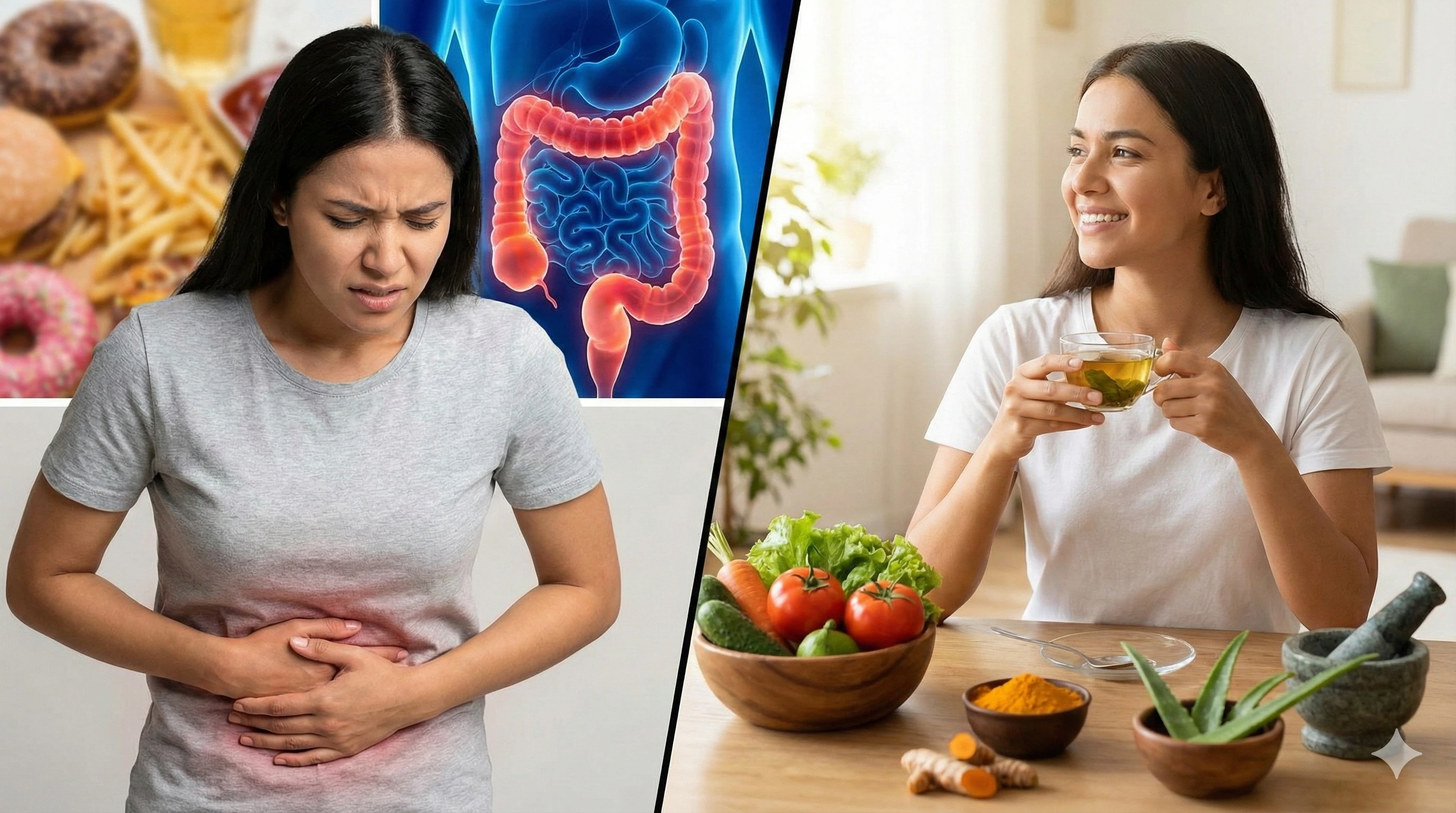
Colitis refers to inflammation of the colon (large intestine), and it can take several forms ranging from ulcerative colitis (a chronic autoimmune condition) to infectious colitis and ischemic colitis. Common symptoms include abdominal pain, diarrhea (often with blood or mucus), fatigue, and bloating.
Naturopathy offers a gentle, whole-body approach to reduce inflammation, heal the gut lining, and support long-term digestive health.
Let’s explore how naturopathic treatments for colitis can help you regain control of your gut and your well-being.
In Naturopathy food is medicine, especially when it comes to colitis. A naturopathic diet focuses on calming inflammation, restoring gut flora, and nourishing the colon.
Foods to Eat:
· Cooked, soft vegetables: Like carrots, zucchini, and squash for easy digestion.
· Bone broth: Rich in collagen and amino acids to repair the intestinal lining.
· Omega-3 rich foods: Flaxseeds, chia seeds and walnuts reduce inflammation.
Foods to Avoid:
· Dairy (except possibly yogurt or kefir)
· Gluten (commonly triggers flare-ups)
· Refined sugar and processed foods
· Alcohol and caffeine
· Raw vegetables and high-fiber foods during active flare-ups
An individualized elimination diet can help identify specific triggers.
Naturopathy uses plant-based therapies to soothe the inflamed intestinal tract and support healing.
Common Herbs for Colitis:
· Slippery elm (Ulmusrubra): Coats and protects the mucous membranes of the gut.
· Marshmallow root (Althaea officinalis): Soothing and healing to the gut lining.
· Boswellia (Indian frankincense): A powerful natural anti-inflammatory.
· Turmeric (Curcumin): Modulates inflammatory pathways and immune activity.
· Chamomile: Calms spasms, reduces inflammation, and helps with stress-related gut symptoms.
Use herbal remedies under the guidance of a qualified naturopath especially if you’re on medications.
A healthy gut microbiome is essential for colitis management. Probiotic therapy helps to reduce inflammation and prevent flare-ups.
· Lactobacillus and Bifidobacterium strains: Effective in restoring balance.
· Saccharomyces boulardii: A beneficial yeast that reduces inflammation and improves barrier function.
· Prebiotics: Feed good bacteria but introduce carefully during flare-ups.
Colitis can lead to nutrient deficiencies due to malabsorption and inflammation. Supplementing with key nutrients can help recovery.
Helpful Supplements:
· Vitamin D3: Modulates immune function and lowers inflammation.
· Zinc carnosine: Heals the gut lining and reduces leaky gut.
· L-glutamine: An amino acid that fuels the intestinal lining and supports repair.
· Aloe Vera (inner leaf juice): Soothing and healing for the colon.
Stress is a known trigger for colitis flare-ups. Naturopathic care addresses mental and emotional health as a core part of healing.
Stress Management Techniques:
· Yoga and gentle movement
· Breathwork (pranayama)
· Adaptogenic herbs like ashwagandha or holy basil (support adrenal health and reduce inflammation)
Hydrotherapy one of the oldest naturopathic treatments can stimulate detoxification and calm inflammation.
· Castor oil packs over the abdomen reduce inflammation and promote lymphatic drainage.
· Contrast hydrotherapy (alternating hot and cold compresses) may help improve blood flow to the digestive organs.
· Stay hydrated: Drink sufficient filtered water regularly, especially if experiencing diarrhea.
· Eat small, frequent meals: Reduces strain on the gut during flare-ups.
· Prioritize sleep: Quality rest is essential for immune and digestive repair.
Colitis is a complex condition that affects both the body and the mind. Naturopathy doesn’t just suppress symptoms—it seeks to restore balance and resilience. Whether you're dealing with chronic ulcerative colitis or occasional colonic inflammation, a naturopathic approach can provide powerful tools for healing.
Yogashray Sewayatan Naturopathy & Yoga Meditation center advice & practice the way to healthy life. You May contact Yogashray Sewayatan (www.yogashraysewayatan.com) to get an appointment with the doctors to see how we can help you in Colitis.
FAQ- COLITIS
The best approach is a gentle, whole-body plan focused on healing the gut lining and reducing systemic inflammation. This is achieved through an individualized anti-inflammatory diet, specific herbal anti-inflammatories, and probiotic therapy to restore gut flora.
The best diet prioritizes cooked, soft vegetables, bone broth, and Omega-3 rich foods for easy digestion and reduced inflammation. You must strictly avoid refined sugar, processed foods, alcohol, and raw vegetables during active flare-ups.
Colitis is calmed by soothing and protecting the gut lining. The best drink to calm the colon is bone broth (rich in healing amino acids) or chamomile tea, which reduces inflammation and spasms. Slippery Elm or Marshmallow Root teas are also effective soothers.
These are highly valued mucilaginous herbs that coat and protect the inflamed mucous membranes of the gut. They provide a soothing, healing layer over the colon lining, reducing irritation and promoting barrier function repair.
Stress directly impacts the gut via the gut-brain axis, increasing intestinal permeability (leaky gut) and triggering mast cells that release inflammatory mediators in the colon. Practices like Mindfulness Meditation calm the nervous system, thereby reducing physical inflammation.
Vitamin D deficiency is highly common due to chronic inflammation and malabsorption, especially in the small intestine. Adequate Vitamin D is crucial as it plays a key role in modulating immune function and reducing the intensity of the inflammatory process.
Yes, generally. During an active flare, the high, tough fiber content in raw vegetables can be highly irritating and difficult for the inflamed colon to process. Opt instead for well-cooked, soft, and peeled vegetables to maximize nutrient absorption without irritation.
Gentle yoga and breathwork that focus on calming the nervous system are best for colitis. Yoga is useful to reduce inflammation indirectly by lowering stress and cortisol levels, which are known to trigger and worsen colonic inflammation.
Symptoms of colitis, such as abdominal pain and diarrhea, can often be mistaken for other common conditions like Irritable Bowel Syndrome (IBS), Celiac Disease, or other forms of Infectious Gastroenteritis. Accurate diagnosis is essential before initiating any long-term treatment plan.
Stabilization is an individual journey, but with strict adherence to the personalized elimination diet and targeted supplements, patients often report symptom reduction within a few weeks. Full healing and long-term resilience require consistent commitment.
Disclaimer: This blog is intended for information purposes only and not a substitute for professional naturopathic doctor advise. Content of the blog including advise, practices and suggestions provides generic information only. It should not be treated as a prescription for any ailment. Always consult a qualified naturopathic doctor for more information.