

Loading...

Yogashray Sewayatan® (Naturopathy & Yoga Meditation Centre)

Keshopura, Bhankrota, Ajmer Road, Jaipur

+919772947555 / +919772956555

info@yogashraysewayatan.com
Tripadvisor


Follow Us On


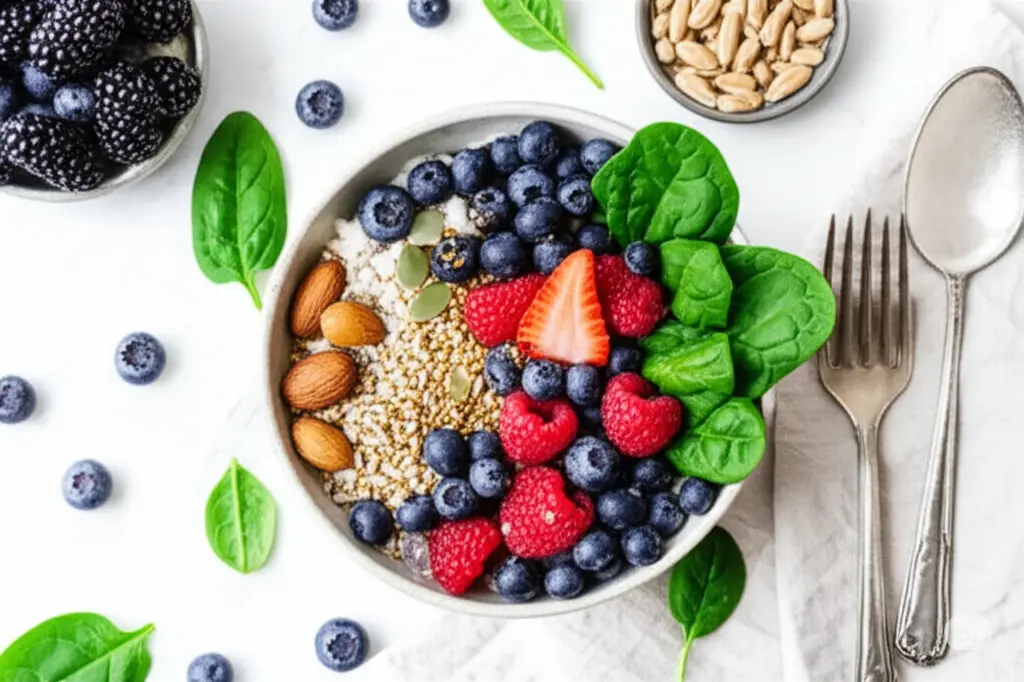
In today’s time, health concerns like high cholesterol are becoming increasingly common. While the term might sound familiar, many people aren't fully aware of what it means, how it affects the body, and what can be done to manage or prevent it.
Cholesterol is a waxy, fat-like substance found in your blood. Your body needs cholesterol to build healthy cells, produce hormones, and support digestion. However, too much cholesterol especially the bad cholesterol can be harmful.
1.LDL (Low-Density Lipoprotein): Often called “bad” cholesterol. High levels can lead to plaque buildup in your arteries, increasing the risk of heart disease and stroke.
2.HDL (High-Density Lipoprotein): Known as “good” cholesterol. It helps remove LDL cholesterol from the bloodstream.
High cholesterol can be caused by lifestyle factors and genetics. Common risk factors include:
Unhealthy diet
Lack of physical activity
Obesity
Smoking
Excessive alcohol consumption
When LDL cholesterol builds up on the walls of your arteries, it forms plaque that can narrow the arteries and restrict blood flow. This condition, known as atherosclerosis, can lead to serious complications such as:
Heart attacks
Strokes
Peripheral artery disease
High cholesterol typically doesn’t cause symptoms, which is why it’s often called a “silent” condition. The only way to know if you have high cholesterol is through a blood test called a lipid profile.
The good news is that high cholesterol is manageable, and often preventable, through a combination of lifestyle changes and dietary modification:
Eat a heart-healthy diet: Focus on fruits, vegetables, whole grains, and lean proteins.
Avoid saturated fats and trans fats.
Exercise regularly: Aim for at least 30 minutes of moderate activity most days of the week.
Maintain a healthy weight
Quit smoking
High cholesterol is a serious but manageable condition. With regular checkups and a commitment to healthy habits, you can protect your heart and live a longer, healthier life.
In naturopathy, high cholesterol is often seen as a symptom of deeper imbalances in the body, such as poor digestion, sluggish liver function, stress, or toxin accumulation. The goal is not just to lower cholesterol, but to restore overall balance and vitality.
Here are some effective naturopathic treatments and lifestyle practices:
Food is one of the most powerful tools in naturopathy. A heart-healthy, plant-based diet can significantly improve cholesterol levels.
Recommended:
High-fiber foods: Oats, flaxseeds, legumes, apples, and psyllium husk help lower LDL (“bad”) cholesterol.
Healthy fats: Avocados, olive oil, nuts, and seeds raise HDL (“good”) cholesterol and support overall heart health.
Garlic and turmeric: Known for anti-inflammatory and cholesterol-lowering properties.
Green leafy vegetables: Rich in antioxidants and support liver detoxification.
Avoid:
Trans fats and hydrogenated oils
Excess sugar and processed foods
Red and processed meats
Naturopathy emphasizes lifestyle modification
Regular Yoga, Brisk walking, exercises, or swimming for 30 minutes a day boosts metabolism and HDL levels.
Hydration: Adequate water intake supports detoxification.
Sleep: 7–8 hours of quality sleep helps regulate lipid metabolism.
Stress management: Chronic stress can contribute to high cholesterol. Practice stress relieving technique LDM meditation, Pranayama, breathing exercise, or nature walks.
Supporting liver health is essential in cholesterol management:
Manipulative therapies are useful in cholesterol management
Hydrotherapy: Alternating hot and cold water baths can improve circulation and lymphatic drainage.
Conclusion
Naturopathy provides a gentle, holistic approach to managing high cholesterol, addressing the root causes and not just the symptoms. Consult a qualified naturopath for management of high cholesterol.
YogashraySewayatan Naturopathy & Yoga Meditation Center advises and practices the way to a healthy life. A panel of qualified doctors tailor your treatment to meet the individual patients' needs.
Contact Yogashray Sewayatan (www.yogashraysewayatan.com) to get an appointment with the doctor to see how we can help you in managing your health problems.
Disclaimer: This blog is intended for information purposes only and not a substitute for professional naturopathic doctor advise. Content of the blog including advise, practices and suggestions provides generic information only. It should not be treated as a prescription for any ailment. Always consult a qualified naturopathic doctor for more information.