

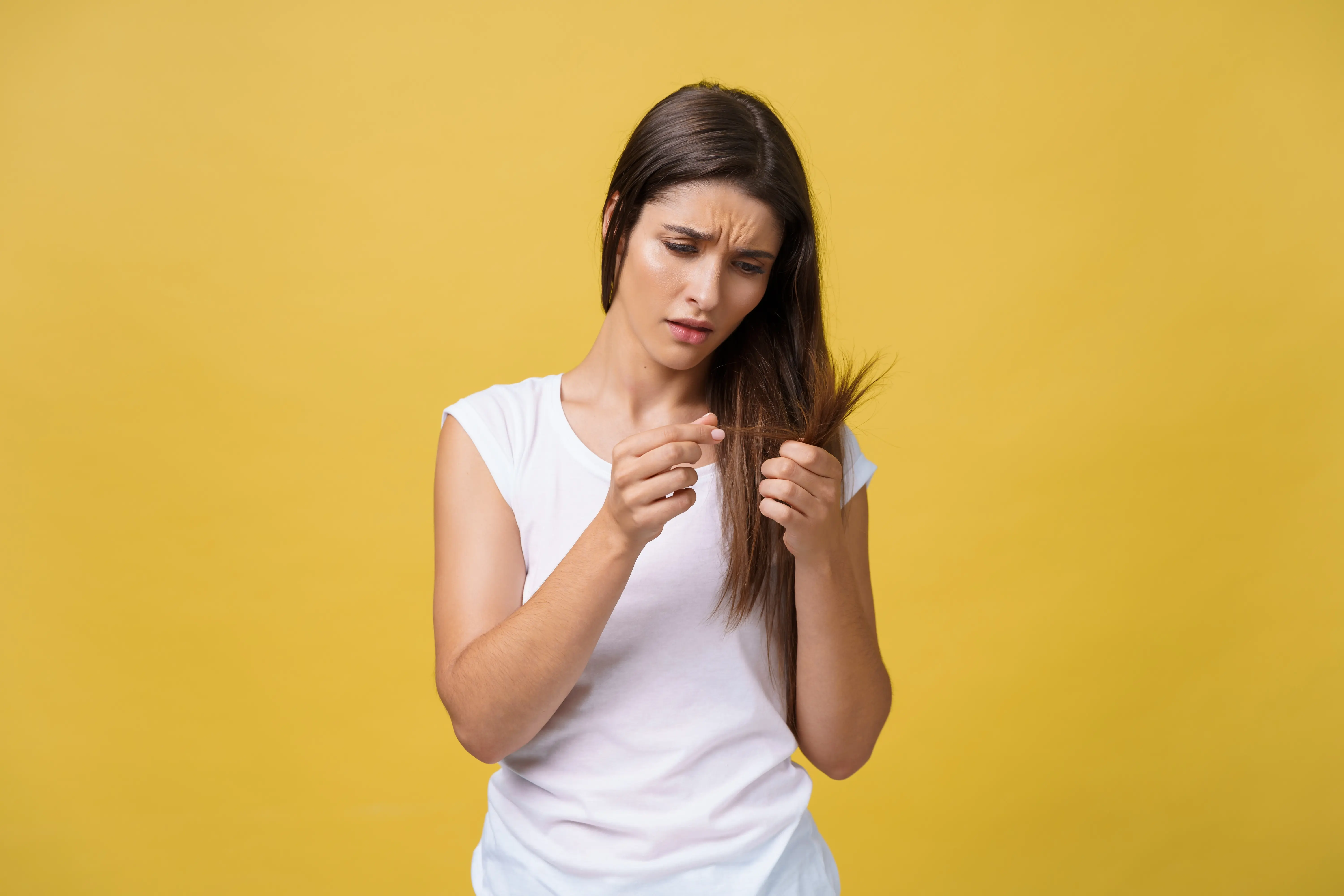
According to naturopathy principles, an unhealthy balance of blood and lymph, along with the buildup of waste matter (toxins), can lead to hormonal imbalances in the body. This weakens the body's immunity and can cause disease.
Naturopathic Management Strategies for Hair Loss
1 - The goal of naturopathy is to strengthen the body's vitality by removing waste matter (toxins). This helps to correct hormonal imbalances.
2 - Diet and nutrition therapy are used to restore essential biochemical markers and hormonal balance. This involves reducing the intake of pro-inflammatory foods and increasing fresh vegetables, whole grains, and essential fatty acids. Including foods rich in biotin, nuts, sunflower seeds, carrots, avocado, leafy green vegetables, etc., is beneficial. Vitamin B-6, zinc, vitamin E, and magnesium in the diet provide the necessary nourishment for hair growth.
3 - Naturopathic treatment methods like mud therapy, marma chikitsa, and herbal therapy are used to enhance detoxification, improve the absorption of nutrients and micronutrients, promote better blood circulation to the scalp, and aid recovery.
4 - Therapeutic yoga and pranayama techniques, along with deep relaxation exercises, mudra pranayama, and Kapalbhati, may help in improving blood circulation and enhancing recovery from illness.
Alopecia FAQ
1. What is alopecia?
Alopecia is a condition that causes partial or complete hair loss on the scalp or body. It can occur due to autoimmune factors, stress, hormonal imbalance, nutritional deficiencies, or lifestyle issues.
2. Can naturopathy help in treating alopecia?
Naturopathy focuses on identifying and correcting the root cause of hair loss through detoxification, balanced diet, stress management, and natural therapies rather than suppressing symptoms.
3. How does yoga help in alopecia?
Yoga improves blood circulation to the scalp, reduces stress, balances hormones, and supports overall mental and physical well-being—all of which are essential for healthy hair growth.
4. Which yoga practices are beneficial for alopecia?
Helpful practices include:
• Kapalbhati Pranayama – detoxifies the body
• Bhramari Pranayama – reduces stress and anxiety
• Sarvangasana & Shirshasana – improve scalp circulation
• Balayam Yoga (Nail rubbing) – stimulates hair follicles
• Meditation & Yoga Nidra – lowers stress-induced hair fall
5. What naturopathy treatments are useful for alopecia?
Common naturopathic approaches include:
• Mud therapy
• Hydrotherapy
• Oil massage (scalp therapy)
• Detox therapies
• Nutrition-based healing
• Stress management techniques
6. Does diet play a role in hair regrowth?
A nutrient-rich diet is essential. Recommended foods include:
• Fresh fruits and vegetables
• Sprouts, nuts, seeds
• Whole grains
• Amla, coconut, curry leaves
• Pumpkin seeds, flaxseeds, walnuts
7. Should processed foods be avoided?
Yes. Processed, junk, sugary, and fried foods can increase inflammation and worsen hair loss.
8. Is stress a major cause of alopecia?
Chronic stress can trigger or worsen alopecia by affecting immune response and hormonal balance. Relaxation techniques are crucial in treatment.
9. Is oil massage helpful for alopecia?
Regular scalp massage with natural oils like coconut, bhringraj, or almond oil improves circulation and nourishes hair follicles.
10. Can Yoga Nidra and meditation help with alopecia?
Yoga Nidra deeply relaxes the nervous system, reduces stress, and supports healing.
11. How can sleep affect hair health?
Poor sleep increases stress hormones, which can accelerate hair loss. Good sleep supports natural healing.
Disclaimer: This blog is intended for information purposes only and not a substitute for professional naturopathic doctor advise. Content of the blog including advise, practices and suggestions provides generic information only. It should not be treated as a prescription for any ailment. Always consult a qualified naturopathic doctor for more information.