

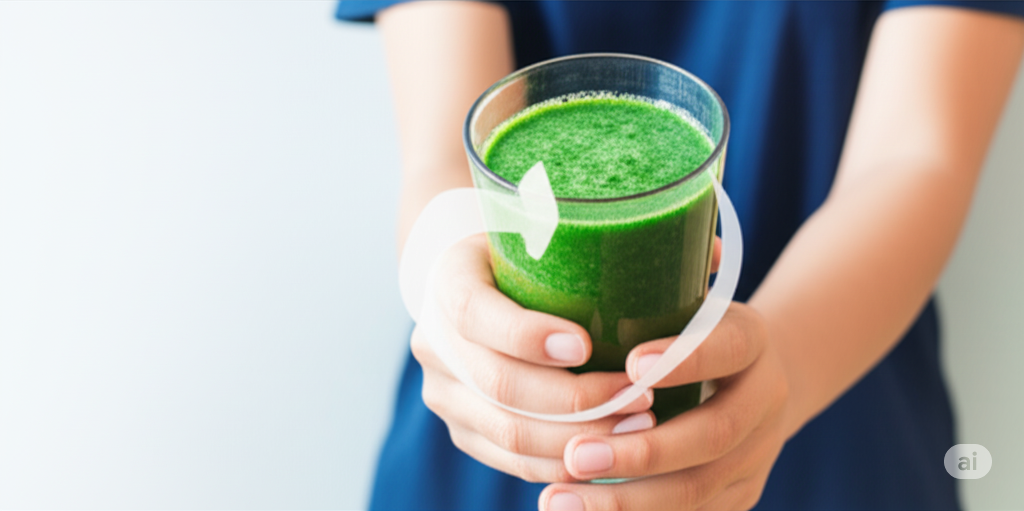
Digestive health is a cornerstone of overall well-being, yet many people struggle with constipation or irregular bowel movements, bloating, or discomfort. But small, intentional lifestyle changes can make a big difference in promoting regularity and optimizing digestion. Below, we explore practical, evidence-based strategies to support a healthy digestive system and help you feel your best.
1. Prioritize a Fiber-Rich Diet
Fiber is essential for maintaining regular bowel movements and supporting gut health. There are two types of fiber, both of which play a role in digestion:
Soluble Fiber: Found in foods like oats, apples, and carrots, soluble fiber absorbs water, forming a gel that slows digestion and helps regulate blood sugar and cholesterol.
- Insoluble Fiber: Found in whole grains, nuts, and vegetables like broccoli, insoluble fiber adds bulk to stool, promoting regularity and preventing constipation.
Aim for 25 –30 grams of fiber daily, depending on age and gender. Incorporate a variety of fiber-rich foods, such as:
Fruits (berries, pears, apples)
Vegetables (leafy greens, Brussels sprouts, sweet potatoes)
Whole grains (quinoa, brown rice, oats)
- Legumes (lentils, chickpeas, black beans)
Gradually increase fiber intake to avoid bloating, and pair it with adequate water to help fiber move through the digestive tract.
2. Stay Hydrated
Water is critical for digestion, as it helps break down food, absorb nutrients, and soften stool for easier elimination. Dehydration can lead to constipation and sluggish digestion.
Drink at least 8 –10 glasses of water daily, adjusting for activity level, climate, and body size. Herbal teas, broths, and water-rich foods like cucumbers and watermelon also contribute to hydration. Limit dehydrating beverages like alcohol and excessive caffeine.
3. Eat Mindfully and Regularly
Erratic eating patterns or rushed meals can disrupt digestion. Eating too quickly may lead to swallowing air, causing bloating, while irregular meal times can confuse your digestive system.
Eat at consistent times each day to regulate your body’s digestive rhythm.
Chew food thoroughly to aid digestion and nutrient absorption.
- Practice mindful eating by minimizing distractions (e.g., phones, TV) and savoring each bite.
4. Incorporate Probiotics and Prebiotics
A healthy gut microbiome is key to optimal digestion. Probiotics (beneficial bacteria) and prebiotics (food for those bacteria) support gut health and regularity.
Probiotics: Found in fermented foods like yogurt, kimchi, probiotics help balance gut bacteria.
- Prebiotics: Found in foods like garlic, onions, bananas, and asparagus, prebiotics nourish beneficial bacteria.
Include at least one probiotic-rich food in your daily diet and pair it with prebiotic foods. For example, try yogurt with sliced bananas or sauerkraut with a whole-grain sandwich. If needed, consult a healthcare provider about a high-quality probiotic supplement.
5. Move Your Body
Physical activity stimulates intestinal muscles, promoting regular bowel movements and reducing bloating. Sedentary lifestyles, on the other hand, can slow digestion.
Aim for at least 150 minutes of moderate exercise per week, such as brisk walking, yoga, or cycling. Even a 10-minute post-meal walk can aid digestion by stimulating gut motility.
6. Manage Stress
The gut-brain connection is real stress can disrupt digestion by altering gut motility and increasing inflammation. Chronic stress may contribute to issues like irritable bowel syndrome (IBS) or constipation.
Incorporate stress-reducing practices like:
Deep breathing exercises (e.g., 4 – 7 - 8 breathing)
Meditation or mindfulness for 10 -15 minutes daily
Gentle activities like yoga.
- Adequate sleep (7 – 9 hours per night) to support gut health
7. Listen to Your Body
Everyone’s digestive system is unique, so it’s important to identify and avoid personal trigger foods. Common culprits for digestive discomfort include high-fat foods, and artificial sweeteners.
Keep a food diary to track what you eat and how your body responds. If you suspect food sensitivities, consult a dietitian or healthcare provider for guidance, such as trying an eliminative diet.
8. Establish a Routine
Your body thrives on routine, and regular bathroom habits are no exception. Ignoring the urge to go or irregular schedules can lead to constipation.
Set aside time each day, ideally after meals, to relax and allow your body to respond to natural urges. Creating a calm environment can help signal to your body that it’s time to go.
While these lifestyle changes can significantly improve digestion, persistent issues like chronic constipation, diarrhea, or abdominal pain may require healthcare professional consultation. Consult a healthcare provider if you experience:
Unexplained weight loss
Blood in stool
- Severe or ongoing digestive discomfort
Conclusion:
Unlocking regularity and optimal digestion doesn’t require drastic changes. By incorporating fiber, staying hydrated, eating mindfully, and adopting other small habits, you can support your digestive system and enhance your overall health. Start with one or two changes, and build from there your gut will thank you!
Naturopathy provide a natural way to manage digestive disorders.
Yogashray Sewayatan, Naturopathy & Yoga Meditation center advice & practice the way to healthy life. A panel of qualified naturopathy doctors tailors you treatment to meet the individual patient’s condition & need.
You may contact Yogashray Sewayatan (https://www.yogashraysewayatan.com/) to get an appointment with the doctor to see how we can help in managing symptoms of digestive disorders.
Disclaimer: This blog is intended for information purposes only and not a substitute for professional naturopathic doctor advise. Content of the blog including advise, practices and suggestions provides generic information only. It should not be treated as a prescription for any ailment. Always consult a qualified naturopathic doctor for more information.